Aluminum Wiring in Older Homes: Safety Risks and Smart Upgrade Options
Introduction to Aluminum Wiring
Hey there, homeowners! If you're living in a house built between the mid-1960s and mid-1970s, you might have aluminum wiring snaking through your walls. It's one of those hidden features that doesn't scream for attention until an electrical issue pops up—or worse, a fire risk looms. As pros at ContractorLink.pro, we've seen our share of these setups, and just like with knob-and-tube wiring in even older homes (check out our companion article on that vintage system), aluminum wiring deserves a closer look.
Aluminum wiring was a popular choice back then due to the rising cost of copper, but it came with some unintended consequences. In this post, we'll break down what aluminum wiring is, why it's a concern today, the fire risks involved, and your options for remediation or a full rewire. Our goal? Arm you with practical advice so you can keep your home safe without breaking the bank. Let's dive in.
What Exactly Is Aluminum Wiring?
Aluminum wiring refers to the use of aluminum as the conductor material in household electrical systems, replacing the traditional copper wires. It was introduced in residential applications around 1965 as a cost-effective alternative when copper prices skyrocketed. By 1973, though, manufacturers pulled back due to safety issues, but millions of homes built in that window still have it.
Spotting aluminum wiring isn't always straightforward—it's usually hidden behind walls—but here are some telltale signs:
- Branch circuits: The wires feeding outlets, lights, and switches are often solid aluminum (not stranded like modern ones).
- Color and markings: Look for silver-colored wires (aluminum oxidizes to a dull gray) or labels like "AL" on the cable sheathing.
- Service entrance: The main power feed from the utility might also be aluminum.
If you're unsure, don't play electrician—call a licensed pro to inspect. We've inspected countless homes, and a quick peek at your breaker panel or an outlet can confirm it. Pro tip: While you're at it, check for any modifications; some owners have mixed aluminum with copper, which can amplify problems.
Why Was Aluminum Wiring Used in the First Place?
Back in the '60s and '70s, the housing boom meant builders needed affordable materials fast. Copper, the gold standard for wiring, became scarce and expensive due to industrial demands and Vietnam War efforts. Aluminum, being lighter and cheaper, seemed like a win. It conducts electricity well enough—about 61% as efficiently as copper—so thicker strands were used to compensate.
The catch? Aluminum expands and contracts more than copper with temperature changes, and it forms a harder oxide layer that doesn't bond as easily. Early installations used connectors designed for copper, leading to loose connections over time. By the early 1970s, reports of overheating and fires prompted the Consumer Product Safety Commission (CPSC) to issue warnings. Today, it's not banned, but it's heavily scrutinized in home inspections and insurance policies.
If your home was built during this era, it's worth noting that not all aluminum wiring is created equal. Some later installations followed better practices, like using CO/ALR-rated devices, but many older ones didn't. As contractors, we always recommend treating it as a potential red flag until proven otherwise.
Is Aluminum Wiring Safe? The Honest Answer
Short answer: It can be, but it's riskier than copper wiring and requires vigilance. The CPSC estimates that aluminum wiring contributes to hundreds of fires annually, though exact numbers are hard to pin down because issues often stem from improper installations or maintenance.
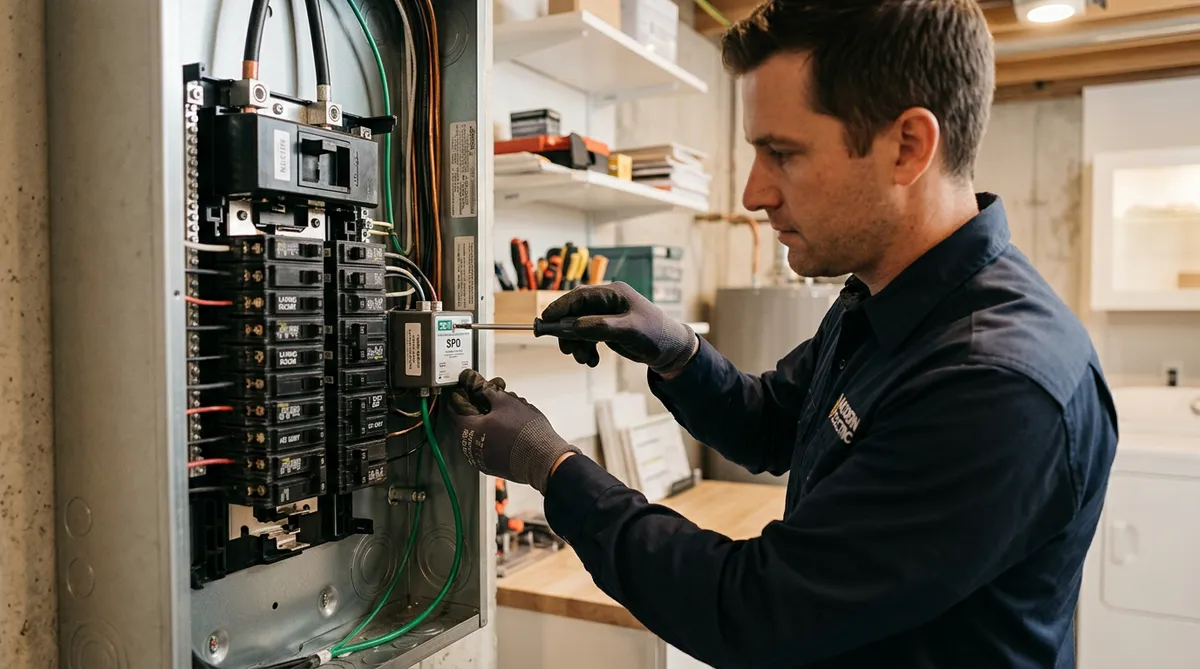
The primary concern is at the connection points—switches, outlets, and breakers—where aluminum wires meet devices. Over time, these connections can loosen due to oxidation and thermal cycling, increasing resistance. Higher resistance means more heat, which can melt insulation or even ignite nearby materials.
That said, if your system has been properly maintained with approved connectors and regular inspections, the risk drops significantly. We've worked on homes where aluminum wiring has lasted decades without issue, but we've also seen the scary side: scorched outlets and close calls. Safety isn't just about the wire itself; it's about the whole system, including grounding and load capacity.
Pro advice: If you're buying or selling a home with aluminum wiring, get a full electrical evaluation. Insurance companies often require it, and in some states, it must be disclosed. Don't ignore warning signs like flickering lights, warm outlets, or frequent breaker trips—these could signal trouble brewing.
Understanding the Fire Risks
Fire risk is the big elephant in the room with aluminum wiring, much like the arcing dangers we discussed in our knob-and-tube piece. The mechanism is similar: poor connections lead to arcing, sparking, and heat buildup that can smolder undetected.
Key risks include:
- Overheating at terminations: Aluminum's tendency to creep under pressure means screws on outlets can loosen, creating hot spots up to 200°F hotter than normal.
- Oxidation: The oxide layer on aluminum is insulating, so it doesn't make solid contact, worsening resistance.
- Mixed metals: Connecting aluminum to copper (common in panels) without proper pigtails can cause galvanic corrosion, accelerating failure.
Statistics from the CPSC highlight that homes with aluminum wiring are 55 times more likely to have fire hazards at receptacles. In our experience, kitchen and bathroom circuits—high-moisture areas—pose the biggest threats because humidity speeds up oxidation.
To mitigate immediate risks, avoid overloading circuits and use GFCI outlets where possible (though they must be compatible). But remember, these are band-aids; long-term safety demands more.
How to Assess Your Home's Aluminum Wiring
Before jumping to solutions, assess the situation. Start with a professional inspection—DIY checks won't cut it for safety or insurance.
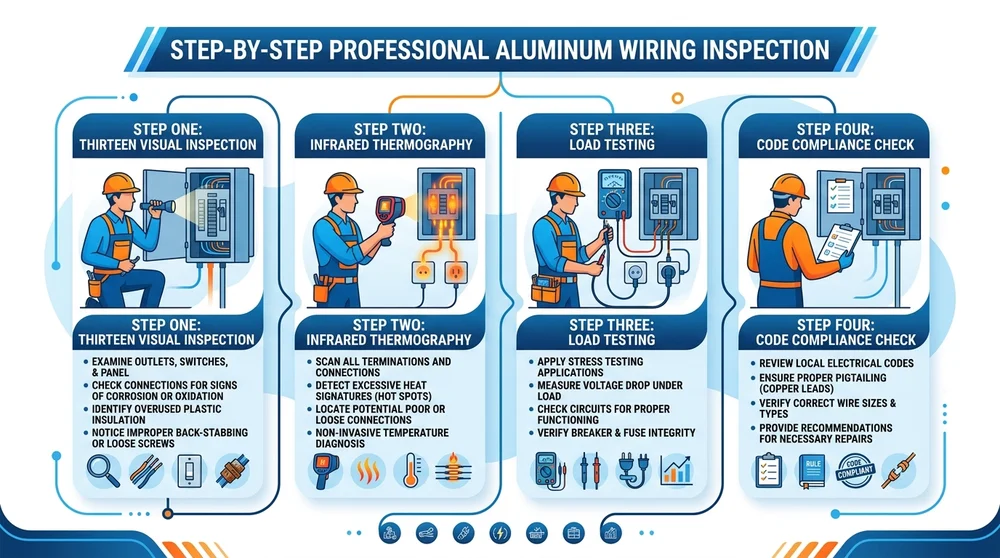
Here's what a licensed electrician will do:
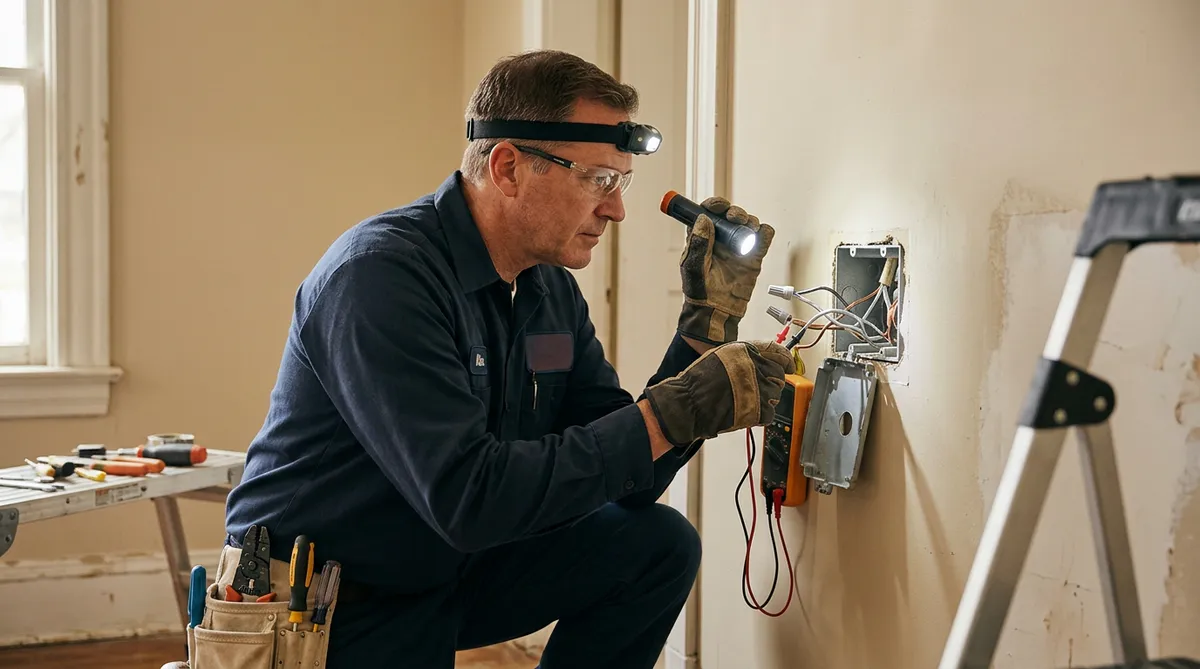
- Visual inspection: Open the panel, check outlets, and look for discoloration, corrosion, or improper splices.
- Infrared thermography: Use thermal imaging to spot hot connections without disassembling everything.
- Load testing: Ensure the system isn't overloaded, as aluminum carries less current safely than copper.
- Code compliance check: Verify if it meets current NEC standards, like having AFCI breakers.
Cost for an inspection? Typically $200–$500, depending on home size. We've found that early detection saves thousands in repairs. If your home has aluminum branch wiring but a copper service entrance, that's a plus—focus on the interior first.
Remediation Options: Fixing Without a Full Rewire
Good news: You don't always need to tear out walls. Remediation can address most issues safely and affordably. The goal is to eliminate risky connections while keeping the existing wire.
Popular methods include:
- Pigtailing: Attach short copper pigtails to aluminum wires using approved connectors like COPALUM or AlumiConn. These create secure, heat-resistant bonds. Cost: $1,500–$4,000 for a typical home.
- Upgrading devices: Replace all outlets, switches, and breakers with CO/ALR-rated ones designed for aluminum. Add this to pigtailing for comprehensive protection.
- Installing AFCI/GFCI protection: Arc-fault and ground-fault interrupters can detect issues early, though they're not a cure-all.
In our projects, pigtailing with AlumiConn has been a game-changer—it's UL-listed, easy to install, and doesn't require special tools. Just ensure your electrician is trained; improper work can void warranties. Remediation is ideal if your wiring is in good shape overall and you're not planning major renos.
When to Consider a Full Rewire
Sometimes, remediation isn't enough. If your inspection reveals widespread corrosion, outdated panels, or high fire risk, a full rewire to copper is the gold standard.
Opt for this if:
- The home is undergoing a gut remodel anyway.
- You've had electrical fires or shocks.
- Insurance demands it (some won't cover aluminum-wired homes).
- You're adding heavy loads like EVs or hot tubs.
A full rewire involves running new copper wiring, updating the panel to 200 amps, and complying with modern codes. It's disruptive—expect drywall patches and 3–7 days of work—but it future-proofs your home. Cost: $8,000–$20,000, varying by square footage and access.
Pro tip: During a rewire, bundle in smart upgrades like LED-compatible fixtures or whole-home surge protection. We've seen ROI through lower energy bills and peace of mind.
Costs, Insurance, and Next Steps
Budgeting is key. Remediation runs $2,000–$6,000 on average, while rewiring is pricier but often eligible for rebates under energy efficiency programs. Factor in permits ($200–$500) and potential insurance discounts—some carriers offer 10–20% off premiums for upgraded wiring.
Selling? Disclose it upfront; buyers may negotiate or require fixes. Buying? Use it as leverage for a lower price or seller-paid remediation.
Final thoughts: Aluminum wiring isn't a death sentence, but ignoring it is risky. Consult a licensed electrician via ContractorLink.pro to get quotes and peace of mind. Your home's safety is worth it—stay proactive, and you'll avoid the headaches (and hazards) down the line.