
Tree Roots Invading Your Sewer Line: Spot the Signs, Understand the Costs, and Choose the Right Fix Before Your Yard Gets Dug Up
As a homeowner, few things are more frustrating than dealing with plumbing issues that seem to come out of nowhere. But when tree roots start infiltrating your sewer line, it's not just an annoyance—it's a ticking time bomb for your home's plumbing system. We've seen it time and again in our work at ContractorLink.pro: lush, beautiful trees in the yard turning into silent saboteurs underground. In this post, we'll break down the signs of root intrusion, the real costs involved, and the most effective fixes, from hydro-jetting to full replacement. Our goal? To arm you with pro-level knowledge so you can act fast and avoid a backyard excavation disaster.
Recognizing the Signs of Tree Roots in Your Sewer Line
Tree roots are opportunistic invaders, drawn to the moisture and nutrients leaking from even the tiniest cracks in your sewer pipes. If you've got mature trees near your home—think oaks, maples, or willows—you're at higher risk. But how do you know if roots are the culprit behind your plumbing woes?
The first red flag is often slow drains. Water taking forever to go down in your sinks, showers, or toilets? That's a classic symptom. Roots can partially block the pipe, restricting flow without causing a full backup right away. Next, listen for gurgling sounds in your drains or toilets. This happens when air gets trapped due to the obstruction, creating that eerie bubbling noise.
If things escalate, you'll notice recurring backups. Sewage bubbling up in floor drains, tubs, or even your yard (yikes) is a sure sign. And don't overlook lush, unusually green grass patches over your sewer line path—these could indicate roots feasting on wastewater leaks, fertilizing the soil above.
Pro tip: If multiple drains in your home are acting up at once, it's likely a main sewer line issue rather than a localized clog. Grab a flashlight and check your cleanout access point (usually a capped pipe near your foundation). If you see roots poking out, it's time to call in the pros. Early detection can save you thousands—don't wait for the sewage flood.
Why Do Tree Roots Invade Sewer Lines?
Understanding the 'why' helps with prevention. Sewer pipes, especially older clay or cast-iron ones from before the 1970s, aren't as sealed as modern PVC. Joints loosen over time due to soil shifts, temperature changes, or poor installation. Roots sense the moisture inside and grow toward it, thickening and eventually cracking the pipe to get more access.
Trees with aggressive root systems, like poplars or cottonwoods, are notorious offenders. Even ficus trees in warmer climates can send roots snaking for hundreds of feet. The irony? Those shade-providing giants you planted 20 years ago might now be plotting against your plumbing.
To prevent this, plant trees at least 10-20 feet away from your sewer line, depending on the species. Consider root barriers—plastic or fabric sheets installed during planting—to redirect growth. And schedule regular inspections if your home is over 30 years old. A simple camera snake down the line every few years can catch issues before they root (pun intended).
Diagnosing Tree Root Intrusion: DIY Checks vs. Professional Help
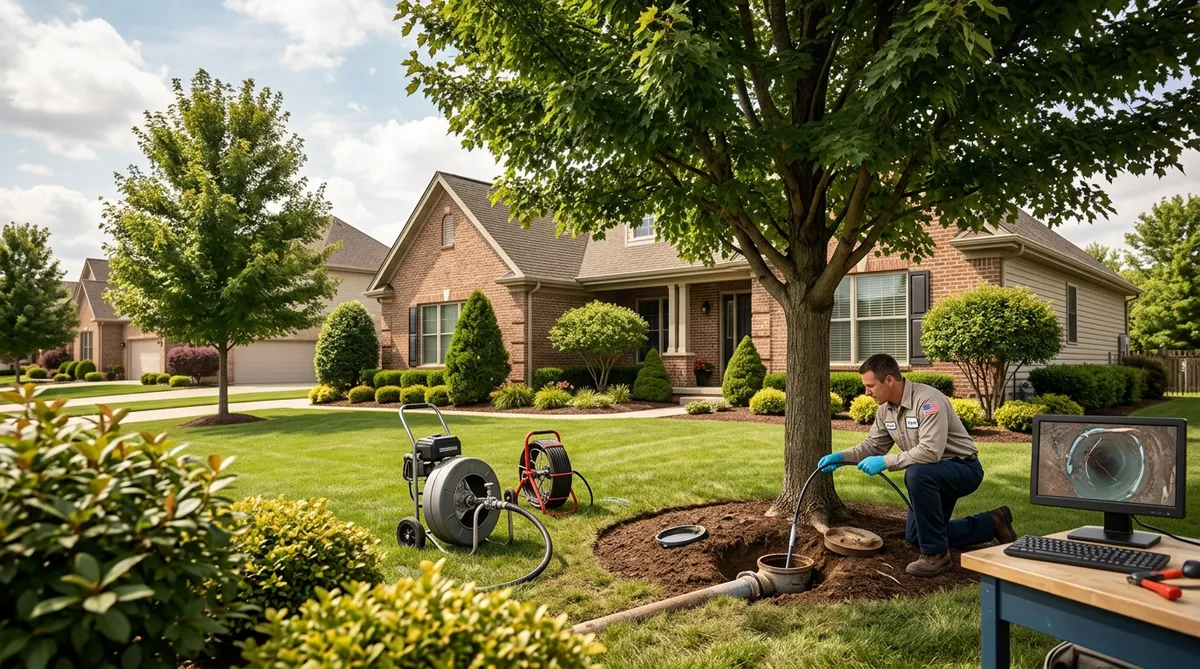
You might be tempted to snake the drain yourself, but tree roots aren't your average hairball. Basic plungers or augers often just trim the tips, allowing regrowth within months. For accurate diagnosis, pros use a sewer camera inspection. This waterproof camera on a flexible rod lets us see inside your pipes in real-time, pinpointing root entry points, pipe condition, and blockages.
Cost for a camera inspection? Typically $150-$300, a small price for peace of mind. If roots are confirmed, we'll assess the damage: Are the pipes cracked beyond repair, or can we clear them temporarily? Skipping this step is like treating symptoms without curing the disease—your problem will return, bigger and badder.
Homeowners, if you're handy, start with a basic drain scope from a hardware store for minor checks. But for sewer mains, leave it to licensed plumbers. At ContractorLink.pro, we connect you with experts who use state-of-the-art tools to avoid guesswork.
Effective Fixes for Tree Roots in Sewer Lines
Now, the good stuff: solutions that actually work. No snake oil here—just proven methods from contractors who've cleared thousands of root-infested lines.
Chemical Root Killers: A Quick but Temporary Band-Aid
Foaming root killers, like those with copper sulfate, are over-the-counter options. Pour them down a toilet or cleanout, and the chemicals travel to the roots, killing them on contact. Pros: Cheap ($20-$50 per treatment) and DIY-friendly. Cons: They don't remove the dead roots, which can decay and cause new clogs. Plus, overuse harms septic systems or local water tables. Use as a stopgap, not a cure.
Mechanical Root Cutting: Slicing Through the Problem
A plumber uses a motorized cutter on a sewer auger to grind roots inside the pipe. It's effective for moderate intrusions, restoring flow immediately. Expect to pay $200-$500 per session. The downside? Roots grow back in 6-12 months unless you address the pipe damage. Pair it with sealants to slow reinvasion.
Hydro-Jetting: The High-Pressure Power Wash for Pipes
This is one of our favorites for root issues—think of it as a pressure washer for your sewers. A hydro-jet blasts water at 3,000-4,000 PSI through a specialized nozzle, pulverizing roots and flushing debris. It's non-chemical, eco-friendly, and cleans the entire pipe diameter.
Hydro-jetting shines for clay or concrete pipes with joints where roots enter. It won't fix cracks but clears blockages thoroughly, often lasting 1-2 years before regrowth. Cost: $300-$600, depending on line length (average home is 50-100 feet). If your pipes are intact, this could delay replacement indefinitely with annual maintenance.
Pipe Lining (Cure-in-Place): Reinforcing from the Inside
For pipes with cracks but no total collapse, epoxy pipe lining is a trenchless miracle. We insert a resin-soaked liner into the pipe, inflate it, and cure it with heat or UV light, creating a seamless new pipe inside the old one. Roots can't penetrate the smooth surface.
Benefits: No digging, minimal disruption, and a 50-year lifespan. Costs run $80-$250 per foot, so for a 50-foot line, that's $4,000-$12,500. Ideal if your yard is landscaped or access is tough.
Full Pipe Replacement: The Nuclear Option
When roots have shattered pipes or corrosion is severe, replacement is unavoidable. We dig a trench along the line, remove the old pipe, and install new PVC or ABS. Modern pipes are root-resistant and warrantied for decades.
This is invasive—expect yard disruption, potential landscaping redo, and coordination with utilities. Cost: $50-$200 per foot, totaling $5,000-$20,000 for most homes. Factors like depth, soil type, and location (urban vs. rural) drive the price. But it's a one-and-done fix, preventing future headaches.
Hydro-Jetting vs. Full Replacement: Making the Smart Choice
So, hydro-jet or replace? It boils down to your pipe's age and condition. If inspection shows minor root entry with sound pipes, hydro-jetting is your go-to—affordable, effective, and buys time. We've jetted lines in historic homes where digging would destroy charm, keeping owners happy without breaking the bank.
Opt for replacement if cameras reveal multiple cracks, bellied pipes, or offsets from tree pressure. Ignoring this leads to collapses, where soil erodes around the pipe, causing sinkholes or foundation shifts. Hydro-jetting a crumbling pipe? It's like mopping the floor in a rainstorm—futile.
Compare: Hydro-jetting costs 20-50% of replacement but requires repeat visits. Replacement upfront hurts the wallet but eliminates risks long-term. Get multiple quotes via ContractorLink.pro to weigh options.
Breaking Down the Costs of Sewer Line Root Repairs
Budgeting is key—plumbing surprises aren't fun. Here's a realistic breakdown:
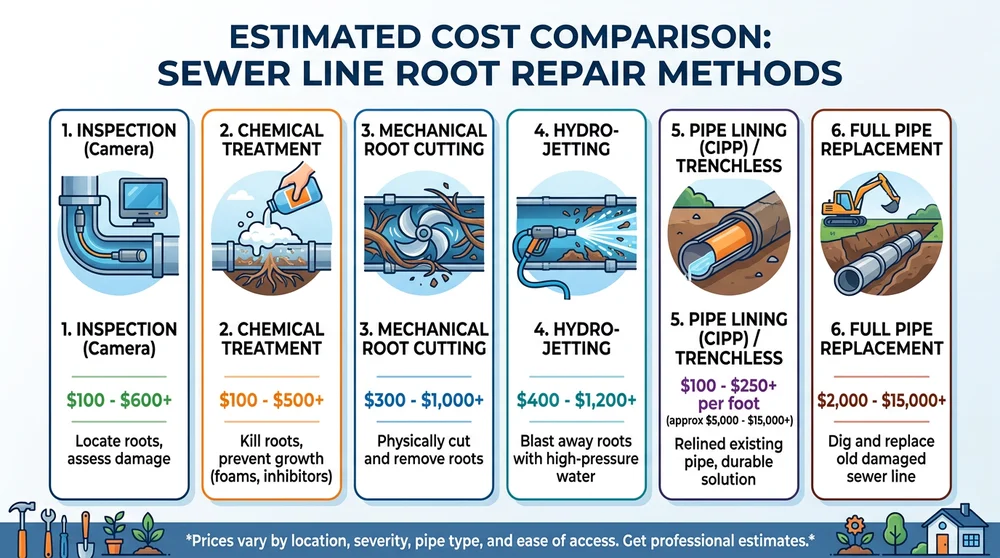
- Inspection: $150-$300
- Chemical Treatment: $20-$100 (DIY or pro)
- Root Cutting: $200-$500
- Hydro-Jetting: $300-$800
- Pipe Lining: $4,000-$15,000
- Full Replacement: $5,000-$25,000 (includes permits, backfill)
Add 10-20% for emergencies (nights/weekends) or access challenges. Homeowners insurance might cover backups but rarely roots—check your policy. Financing options through contractors can spread costs. Remember, DIY attempts often lead to pro calls anyway, with added damage fees.
Why Ignoring Tree Roots Leads to a Yard Dig (and Worse)
Procrastination is the enemy. Untreated roots keep growing, widening cracks until the pipe bursts. Sewage floods your home, breeding mold, bacteria, and costly cleanups ($1,000+ easy). Worse, backups contaminate groundwater, violating health codes and fining you.
Eventually, the pipe fails completely, forcing emergency digs. Your pristine yard? Torn up for trench work, with weeks of mud, detours, and replanting. We've responded to calls where ignoring slow drains led to $30,000+ in damages—foundation repairs from sinkholes aren't cheap.
Health risks aside, it's a property value killer. Act at the first sign: A $500 hydro-jet now beats a $15,000 dig later.
In wrapping up, tree roots in your sewer line are a common foe, but with vigilance and the right fix, you can keep your plumbing flowing smoothly. Spot those signs early, get a pro inspection, and choose solutions that fit your home's needs. Your trees can stay—happily shading your dig-free yard.