Do You Need a Radon Test? Understanding the Risks, Costs, and How to Protect Your Home
What Is Radon and Why Is It a Concern?
Radon is a naturally occurring radioactive gas produced by the decay of uranium in soil, rock, and water. Because it’s invisible and odorless, many homeowners are unaware of its presence. The primary concern with radon is its link to lung cancer—it's the second leading cause of lung cancer after smoking.
When radon gas seeps into homes through cracks in the foundation, gaps around pipes, or other openings, it can accumulate to dangerous levels. Over time, prolonged exposure increases health risks, making testing a crucial step in home safety.
Which Homes Are at Risk?
While radon can be found in any home, certain factors make some more vulnerable:
- Geographic Location: Radon levels vary by region. Areas with granite or shale bedrock tend to have higher radon emissions.
- Home Age and Construction: Older homes with cracks, gaps, or poor ventilation are more susceptible.
- Foundation Type: Homes with basements or slab-on-grade foundations are more likely to trap radon.
- Soil and Water: Homes with well water that comes from underground sources may also have elevated radon levels.
If your home fits any of these criteria, testing is strongly recommended.
Do You Really Need a Radon Test?
The short answer is: yes, especially if your home is in a high-risk area or exhibits risk factors. The Environmental Protection Agency (EPA) recommends testing all homes, regardless of age or location, because radon levels can vary even within neighborhoods.
Testing is simple, affordable, and provides peace of mind. It’s especially crucial if you’re planning to buy or sell a home, as radon testing is often part of real estate inspections.
How to Test for Radon
There are two main types of tests:
- Short-term tests: Usually lasting 2-7 days, these are quick and convenient. They’re ideal for initial screening.
- Long-term tests: Lasting 90 days to a year, these provide a more accurate picture of year-round radon levels.
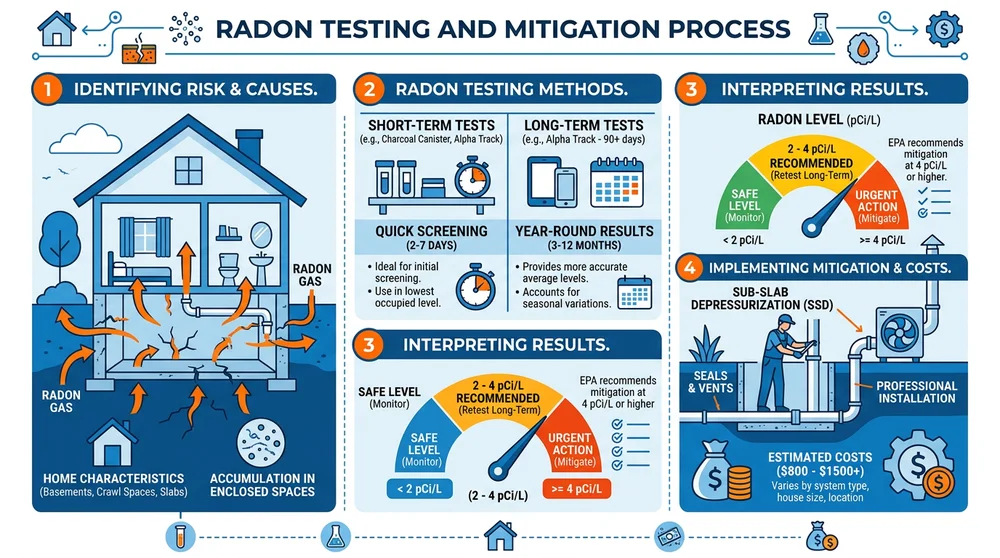
You can purchase do-it-yourself test kits from hardware stores or online, or hire a professional radon tester for more precise results.
What Does Radon Mitigation Cost?
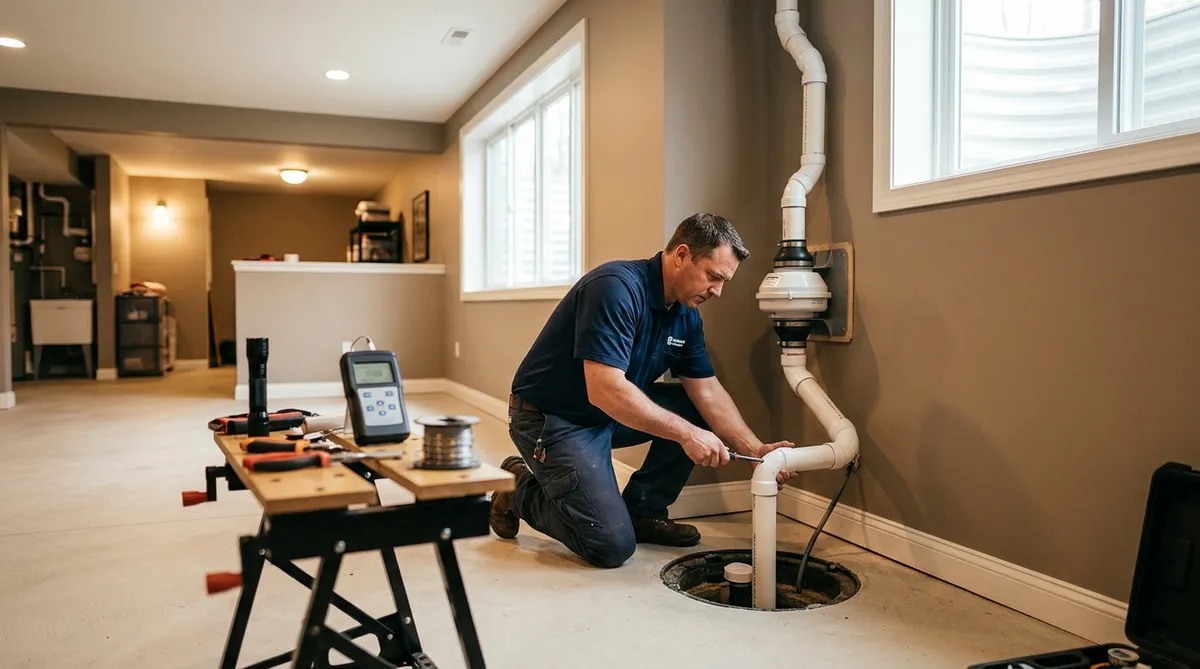
If testing reveals elevated radon levels (EPA recommends action if levels are 4 pCi/L or higher), mitigation is necessary. The most common method is installing a radon mitigation system, typically a vent pipe and fan that pulls radon from beneath the house and vents it outside.
Cost Breakdown:
- Average Installation: $800 to $2,500, depending on home size, foundation type, and system complexity.
- Additional Expenses: Sealing cracks and openings can add to the cost but improves system efficiency.
- Maintenance: Radon fans usually last 5-10 years and may need replacement.
While the upfront cost may seem significant, mitigation is a worthwhile investment in your health and home safety. It can also increase your property’s value and appeal.
Final Thoughts: Protect Your Home and Family
Radon testing is a simple, proactive step to safeguard your loved ones from a silent health threat. If you live in a high-risk area or your home has risk factors, don’t delay—schedule a radon test today. And if your home tests high, professional mitigation can effectively reduce radon levels and provide peace of mind.
Remember, home safety starts with awareness and action. Partner with licensed contractors through ContractorLink.pro to ensure your radon mitigation system is installed correctly and efficiently. Your health and your home are worth it.